Speak, listen, agree: a facilitation skills training at the Shirak TMAK
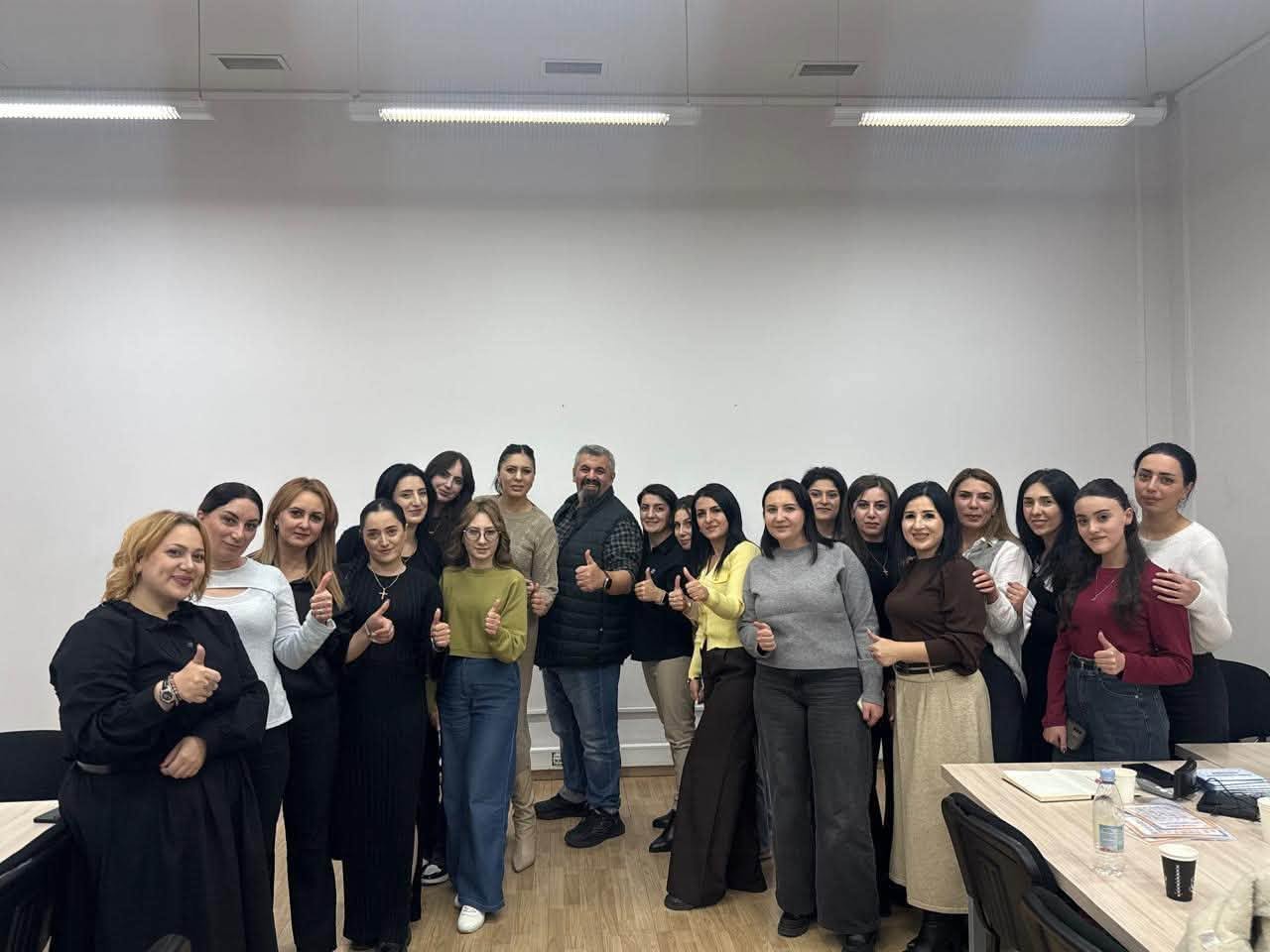
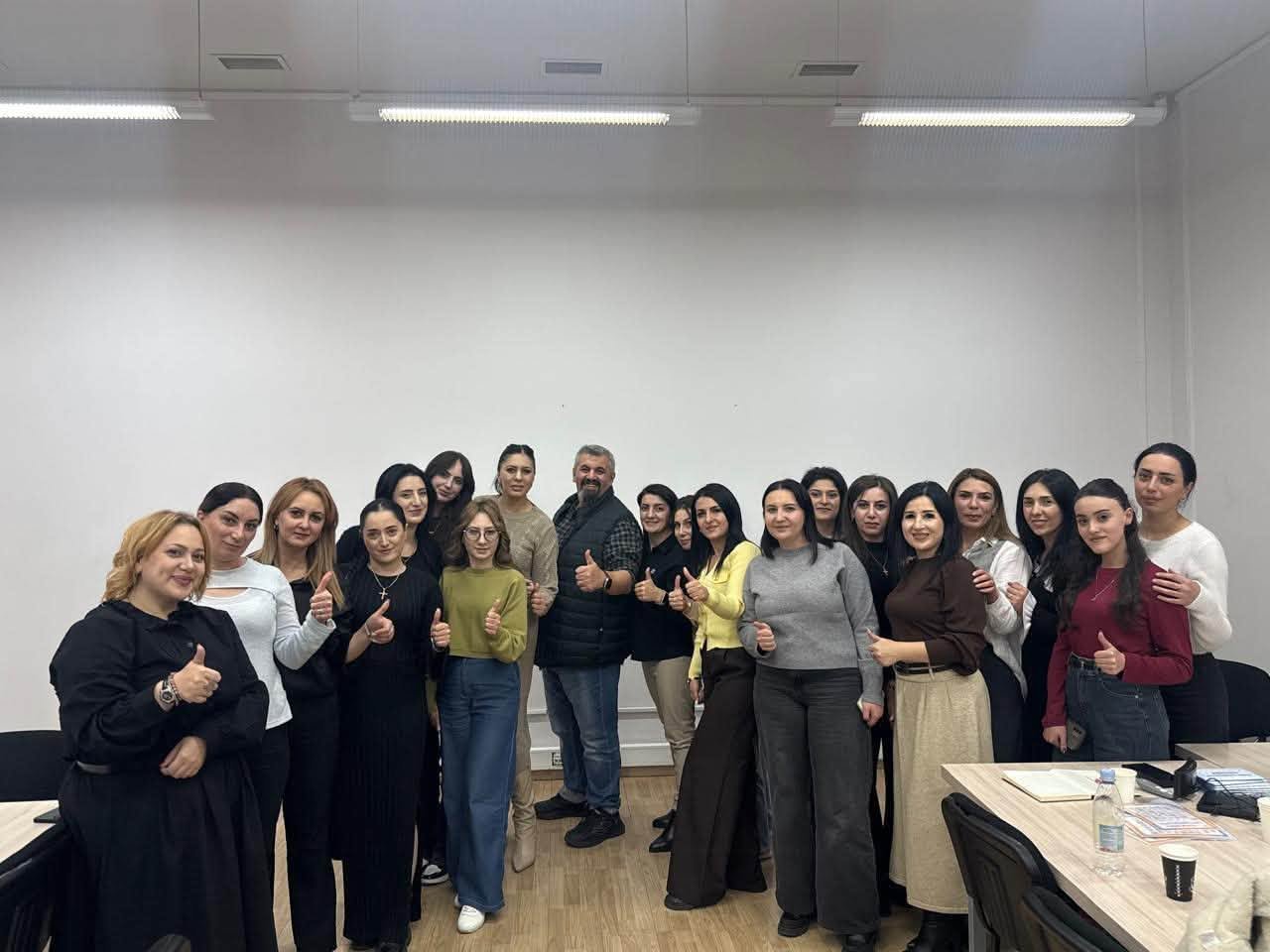
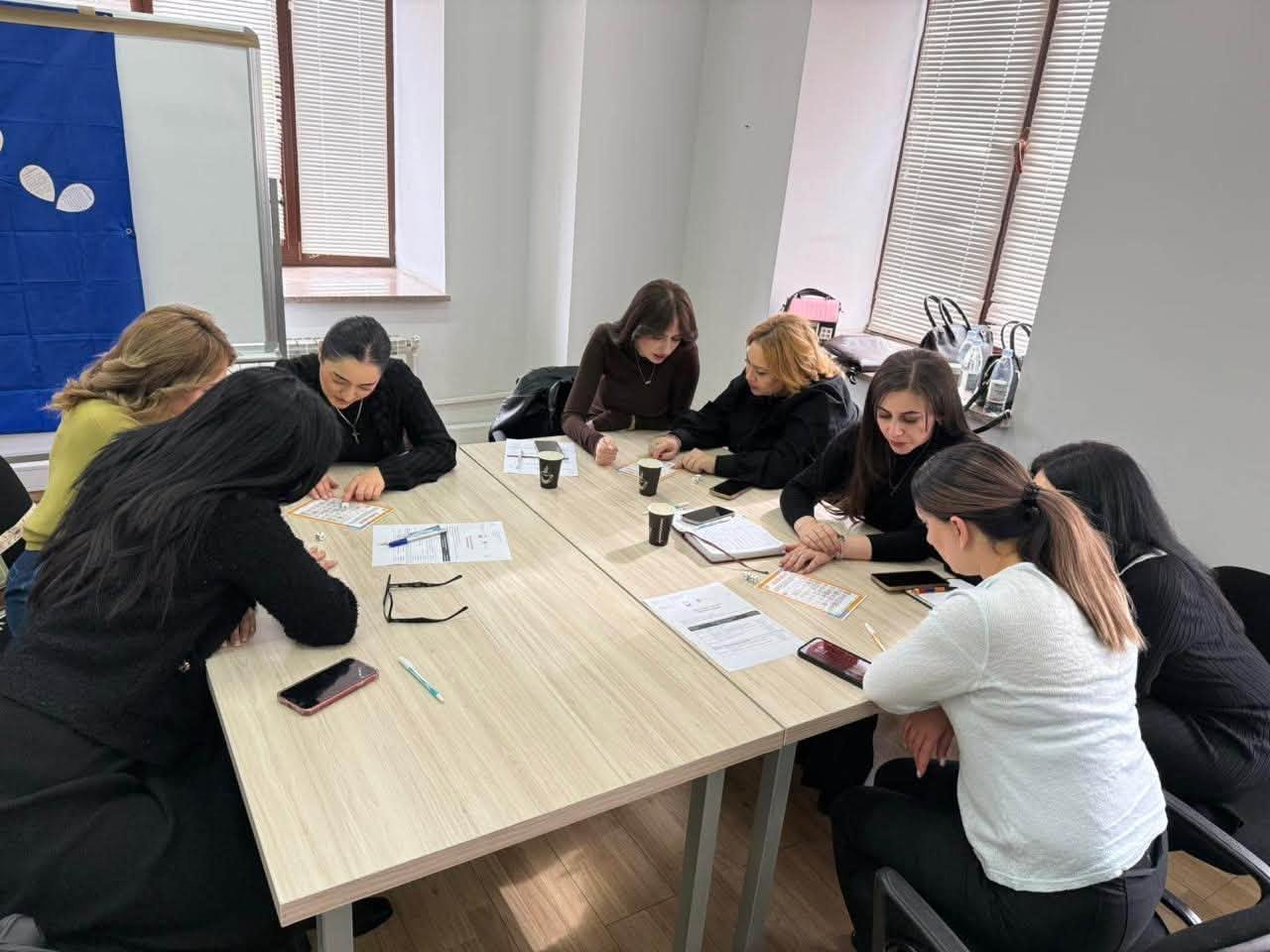
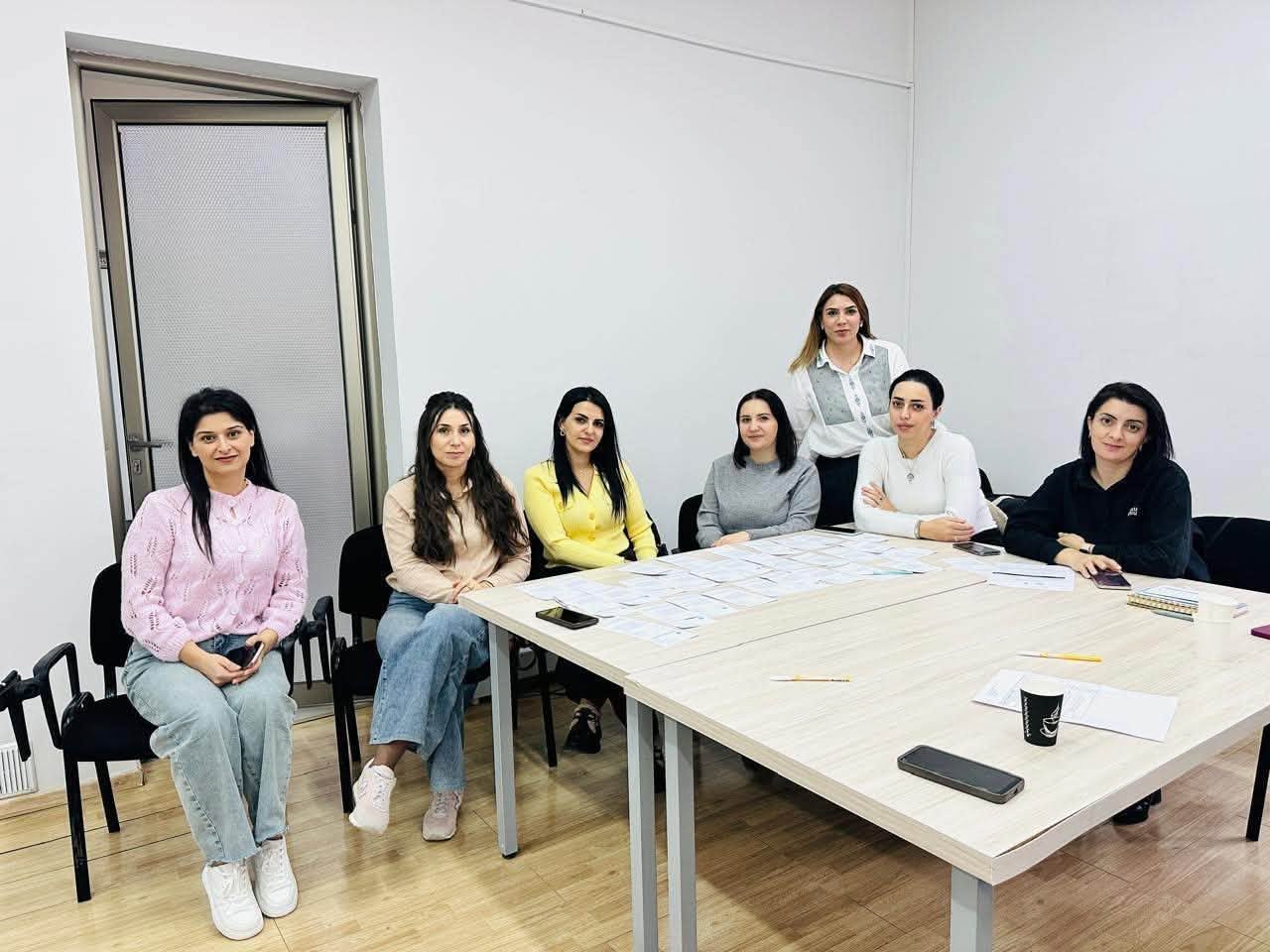
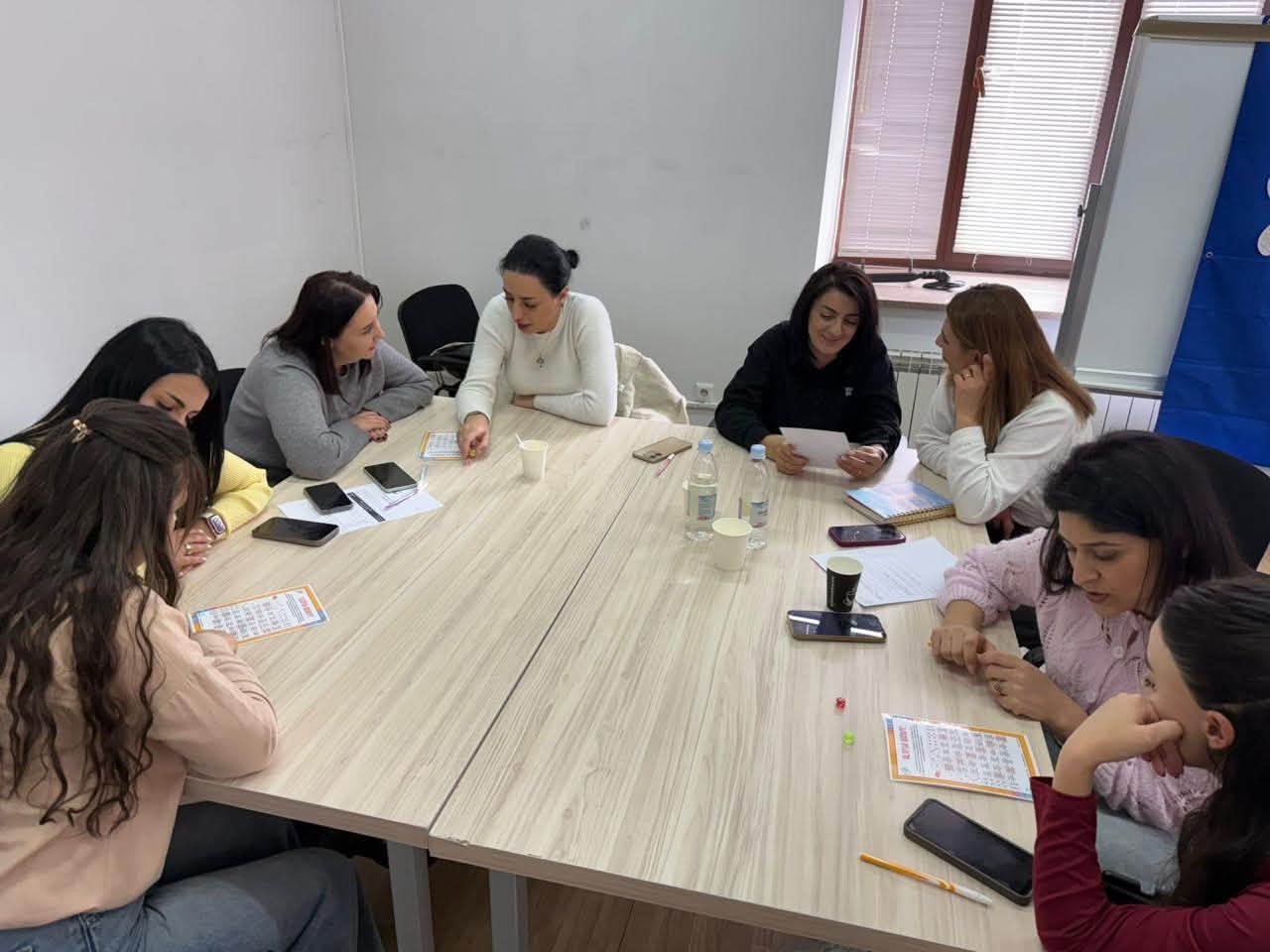
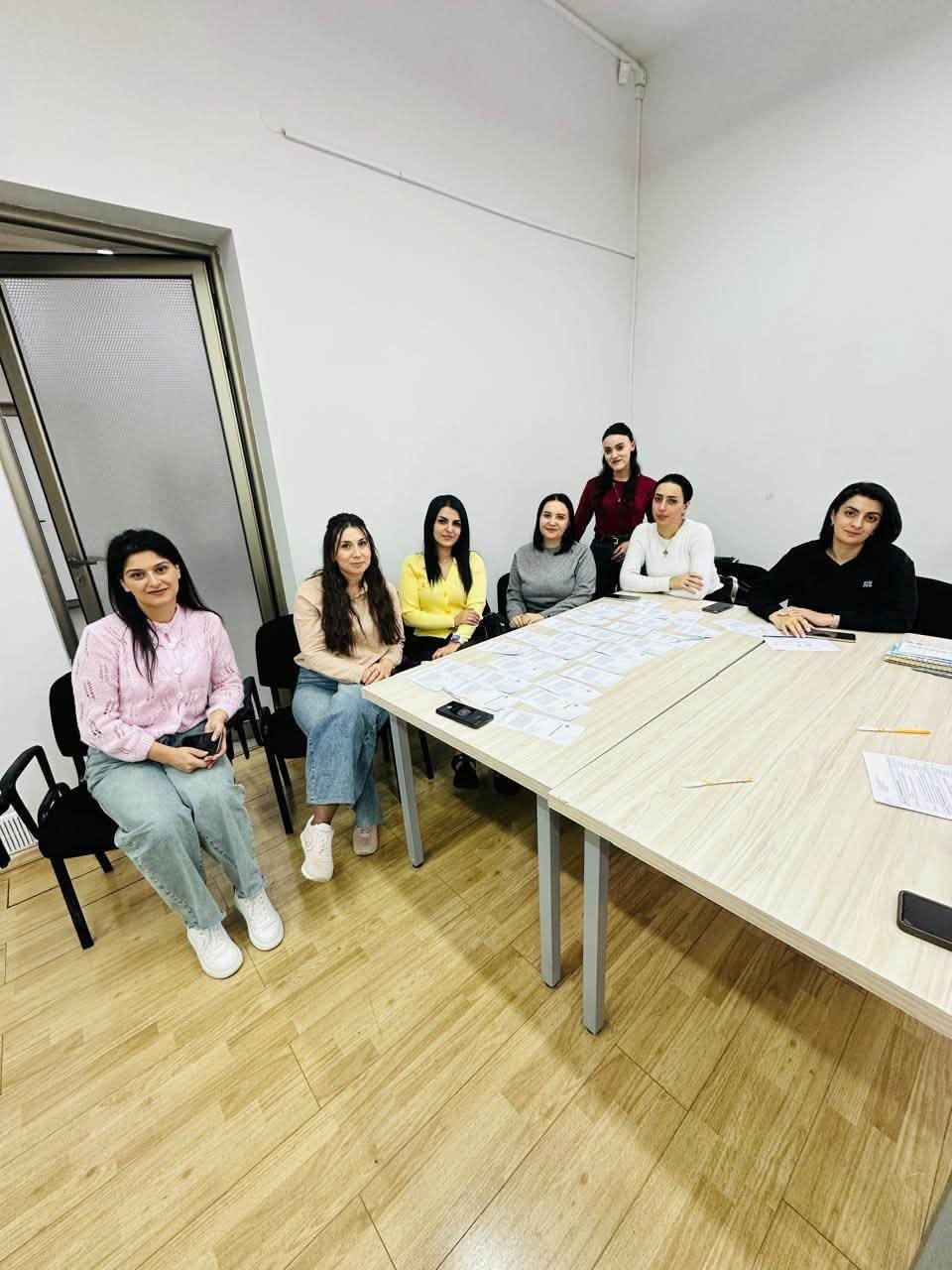
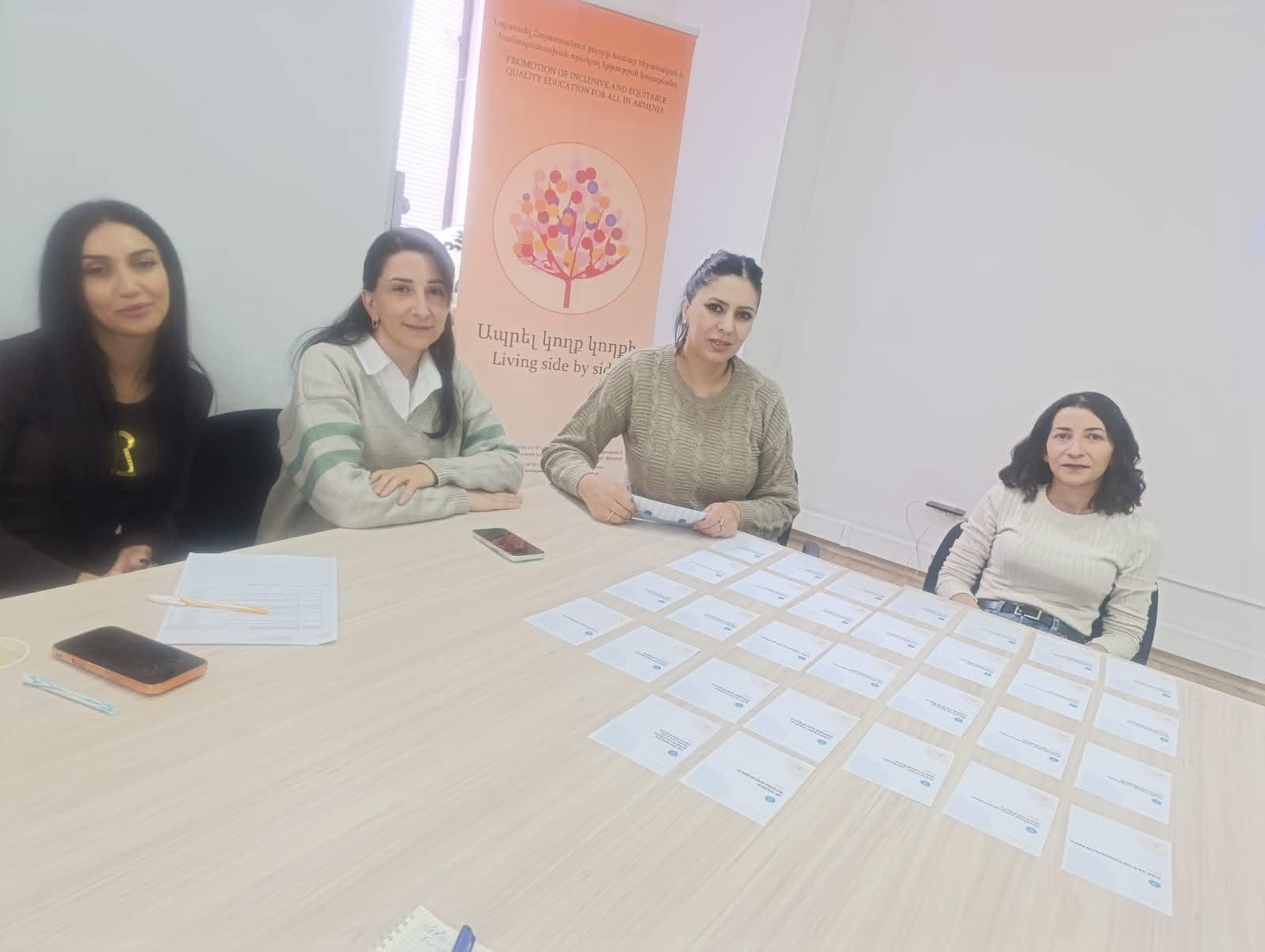
On 6 November 2026, 25 specialists of the Shirak Territorial Centre for Pedagogical and Psychological Support took part in the training “Soft skills: facilitation skills”, organised in partnership with the NGO Armenian Caritas. Here is how the day was built, which models and tools were used, and how to turn a one-day training into an everyday habit.
Picture an ordinary working meeting. Three people do all the talking, the rest stay silent, the meeting runs over time, and on the way out someone says in the corridor what they never said in the room. A week later it turns out the decision was never carried out, because few people felt it was theirs.
It does not have to be this way. Speaking clearly, listening well, getting through disagreement and reaching a shared decision are skills, and skills can be learned. Employers think so too: in the World Economic Forum’s Future of Jobs Report 2025, alongside analytical thinking, resilience, flexibility and agility, and leadership and social influence are among the core skills employers value most [1].
That was the focus of the training held on 6 November 2026 for the team of the Shirak TMAK.
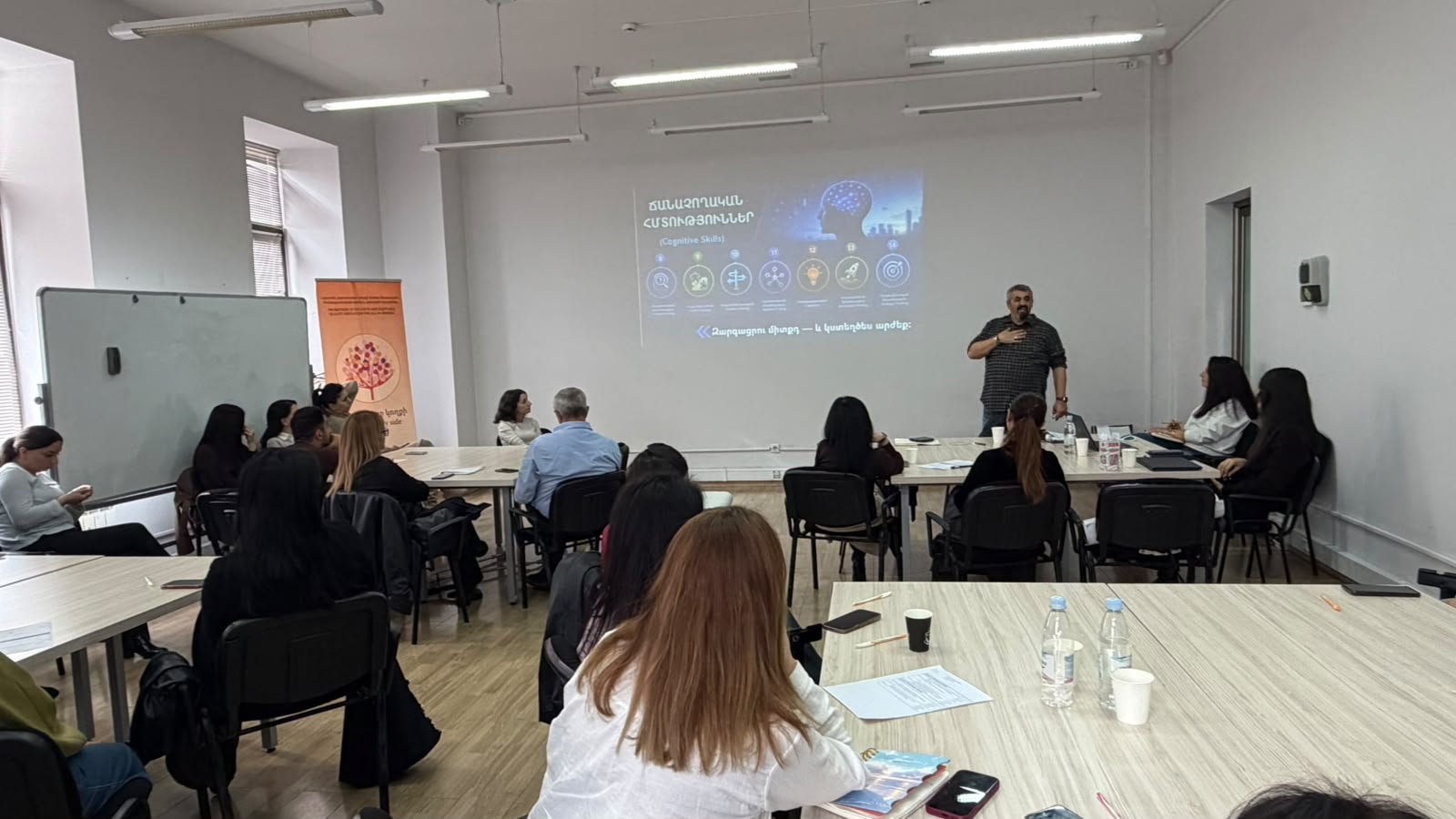
Who took part and why it matters
The Shirak Territorial Centre for Pedagogical and Psychological Support (TMAK) works to support every child, providing an individual approach, professional support and equal opportunities to succeed in education. This work is teamwork by nature: specialists discuss each case together, agree on solutions with schools and families, and run meetings where a child’s future depends on how well people listen to each other.
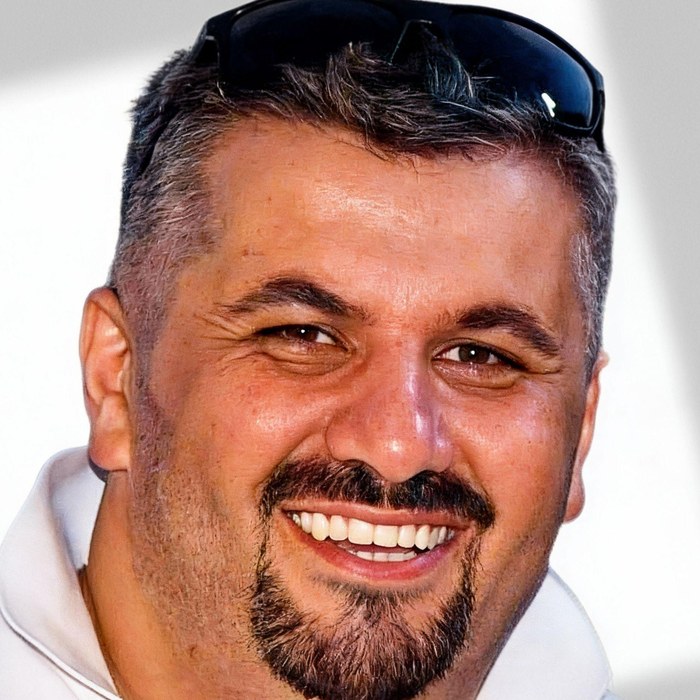
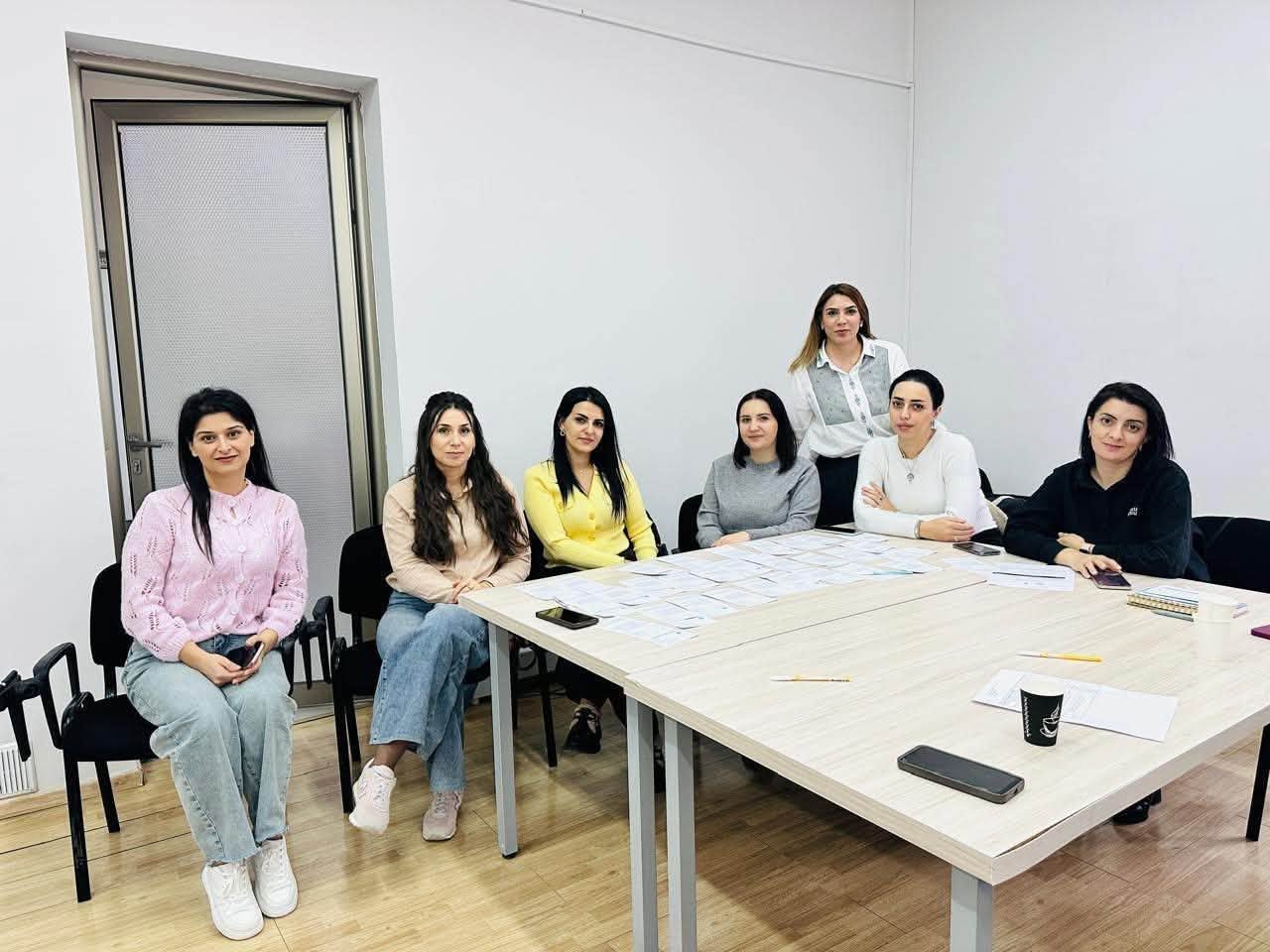
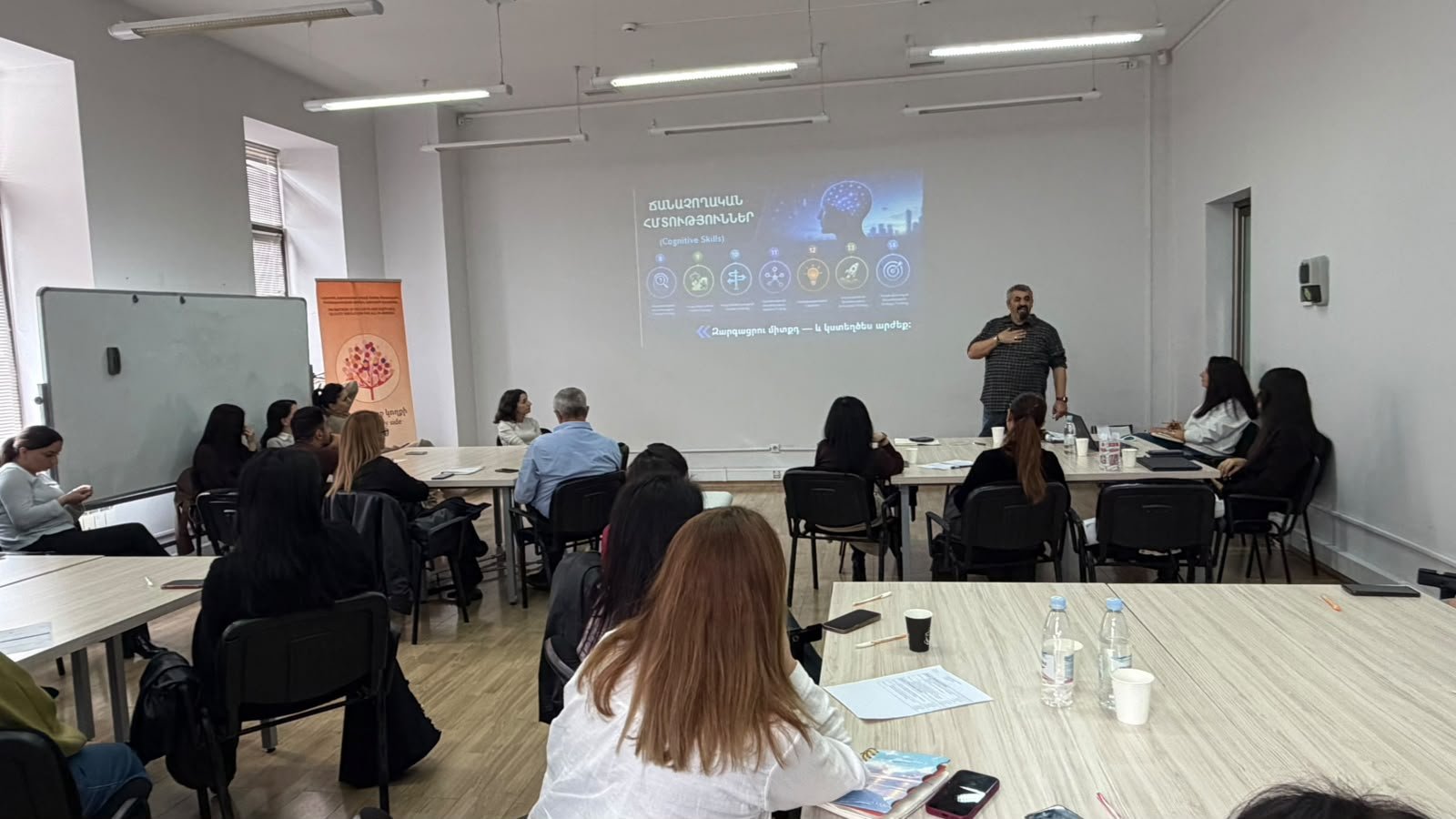
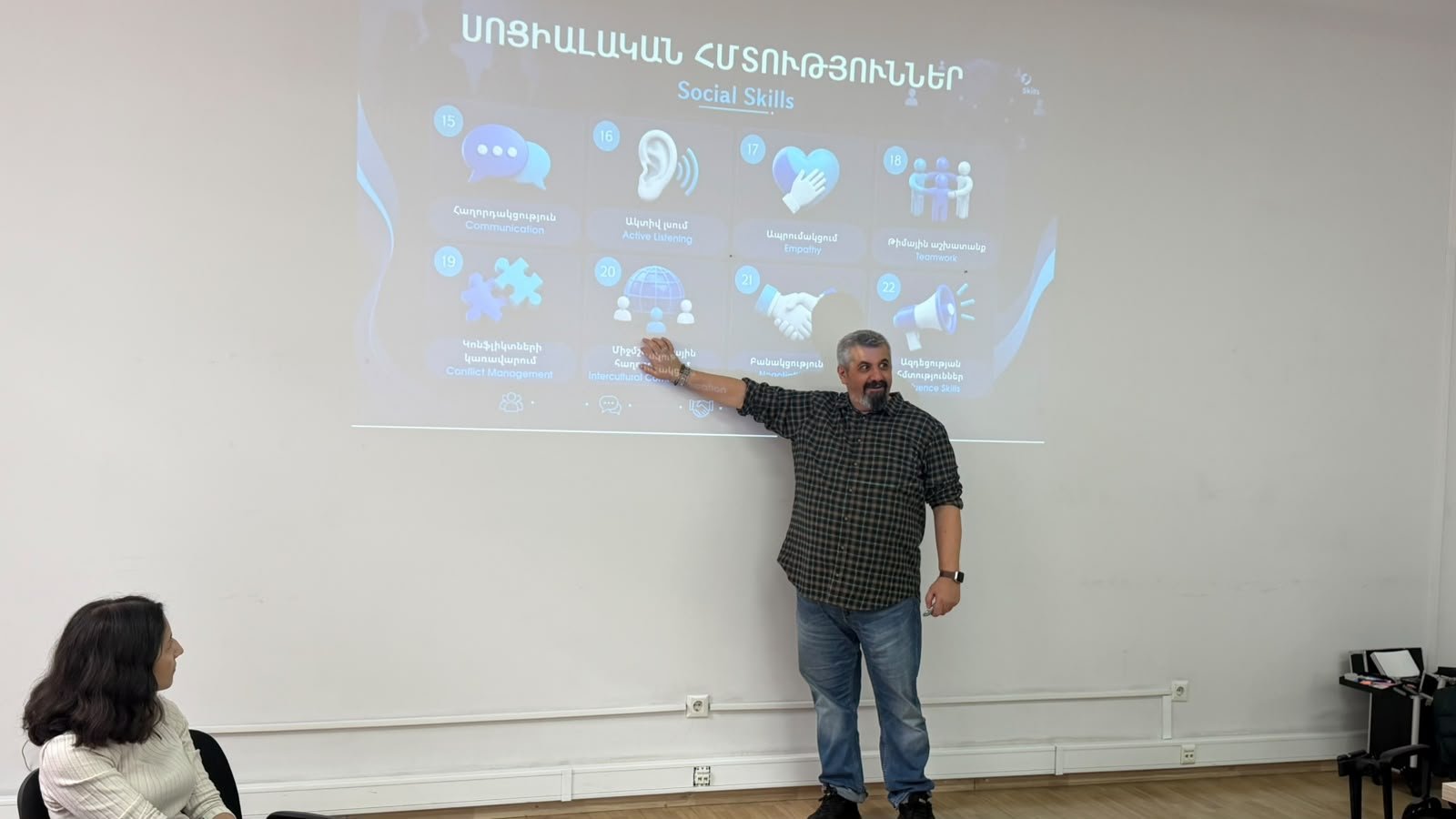
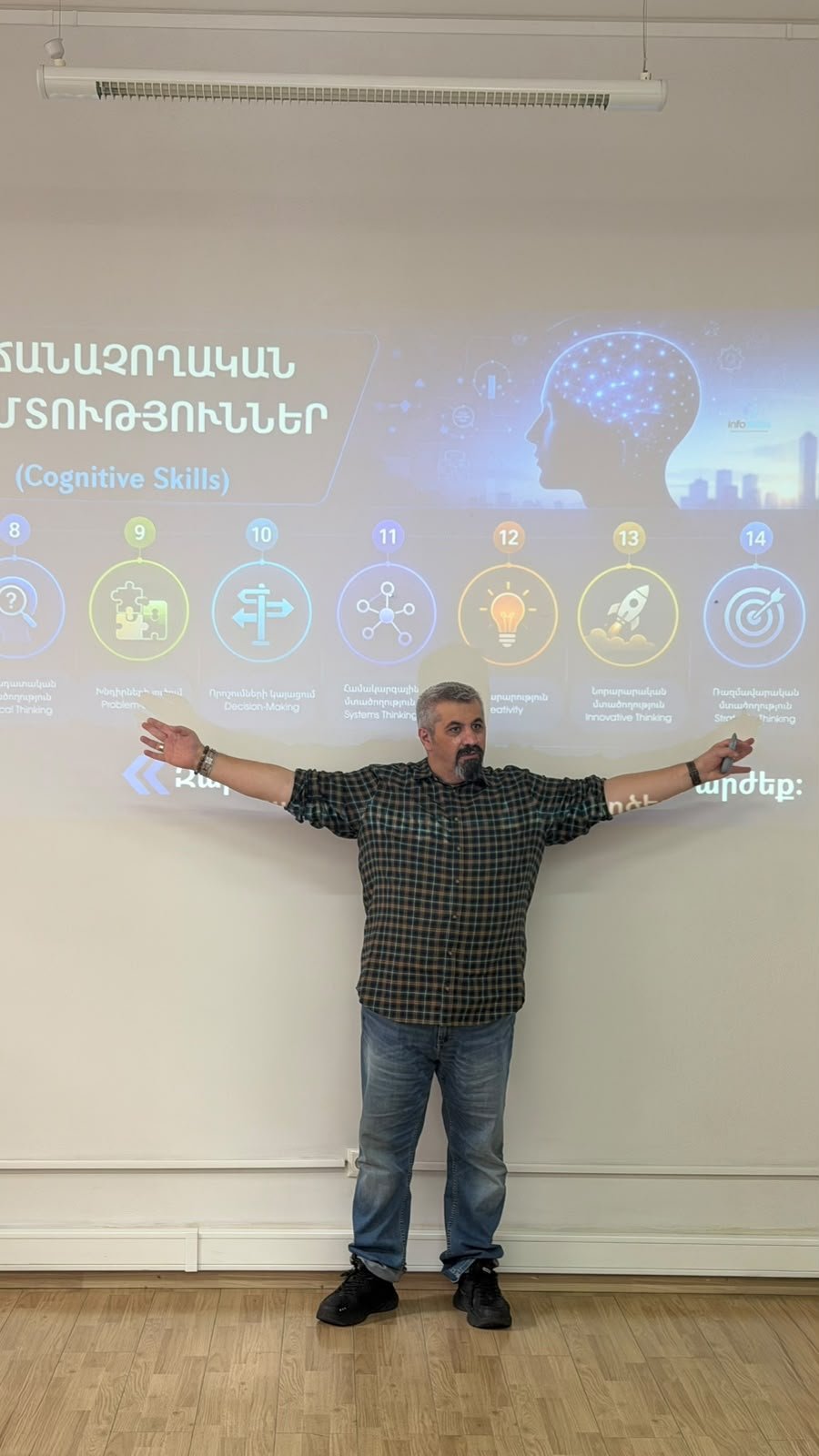
The training “Soft skills: facilitation skills” was organised in partnership with the NGO Armenian Caritas as part of its support for continuing education, inclusive education and professional development. It was led by the founder and lead trainer of InfoSkills, Varuzhan Avanesyan, and 25 specialists of the centre took part.
How the day was built
The working title of the training was “Speak, listen, agree”. The day moved from the individual to the team, and from the team to running a group process: first we looked at our own soft skills, then at communication, then at the team and conflict, and finally at facilitation.
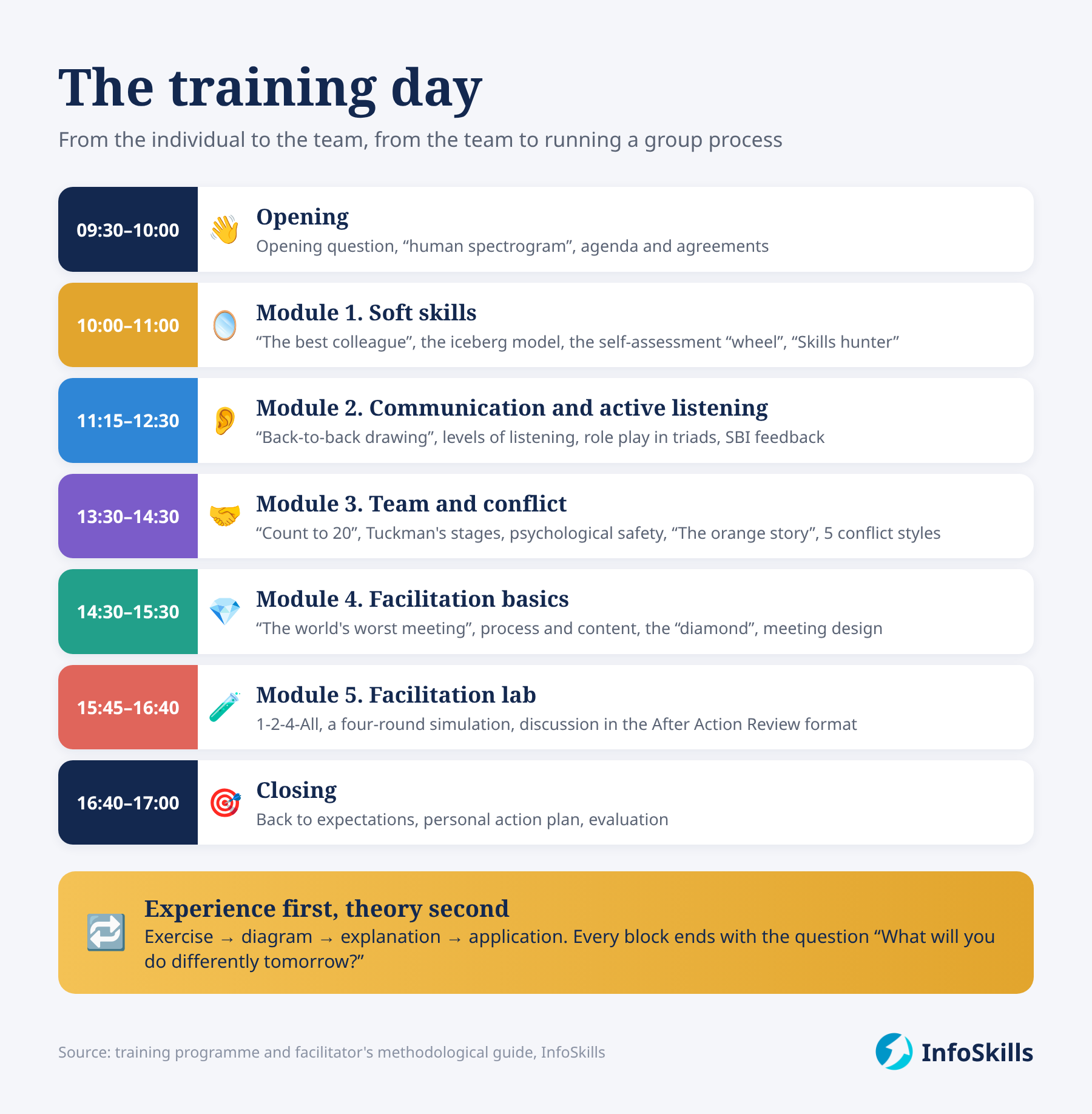
Every block followed the same rule: experience first, theory second. First the group does an exercise, then a diagram gives a name and a structure to what people have just lived through, and every block ends with the question “What will you do differently tomorrow?”
Module 1. Soft skills: start with a mirror
The day started with a self-assessment “wheel” of soft skills. Each participant rated eight skills and marked one strength and one area for growth. We said it out loud from the very beginning: a test is a mirror, not an exam. It has no right answers and is not used to assess or compare colleagues.
Then, in the “Skills hunter” exercise, pairs used the eight skills of the wheel as a “hunting list” to look for them in each other’s stories.
Module 2. Communication and active listening
The module opened with “back-to-back drawing”: one person describes a picture, the other draws it without seeing it. The result made the point better than any lecture: what was said is not the same as what was understood.
Then participants practised the levels and techniques of listening in triads: one speaks, one listens, and the observer gives feedback using specific principle cards. For feedback we used the SBI model (Situation–Behaviour–Impact) of the Center for Creative Leadership: describe the situation, the specific behaviour and its impact, without labels or assumptions [2].
One of the most memorable moments was the “Me too…” trap. To the question “Are you overloaded?”, a common reply is “Me too, I had three reports last week…”, and the conversation moves over to us. The listening alternative: “Are you overloaded? What is the hardest part?” In the second version, the conversation stays with the other person.
Module 3. The team and conflict
The “Count to 20” energiser. The group stands in a circle with eyes closed and has to count to 20, one number per person, with no set order. If two people speak at once, they start again. It usually takes 3–5 attempts, and afterwards the group itself names what helped: listening, waiting, trusting, sensing the rhythm.
The stages of team development. That restart is not a failure but a natural stage. In 1965 psychologist Bruce Tuckman described the stages of small-group development: forming, storming, norming and performing [3]. In 1977, together with Mary Ann Jensen, he added a fifth stage, adjourning [4].
Psychological safety. Harvard professor Amy Edmondson showed that teams learn and improve when members share the belief that it is safe to take interpersonal risks in the team: to ask a question, admit a mistake or disagree [5]. One of the statements in the training’s group self-assessment checks exactly this: “I voice my disagreement in the meeting, not afterwards in the corridor”.
The orange story. Two sisters quarrel over one orange and cut it in half. It later turns out that one needed the juice and the other the peel for a cake. This classic story, popularised by Roger Fisher and William Ury in Getting to Yes, shows the difference between a position (what people demand) and an interest (why they want it) [6].
Five ways to handle conflict. We then worked with the Thomas–Kilmann model (1974), which describes behaviour in conflict along two dimensions: how much I pursue my own concerns (assertiveness) and how much I try to satisfy the other person’s (cooperativeness) [7].
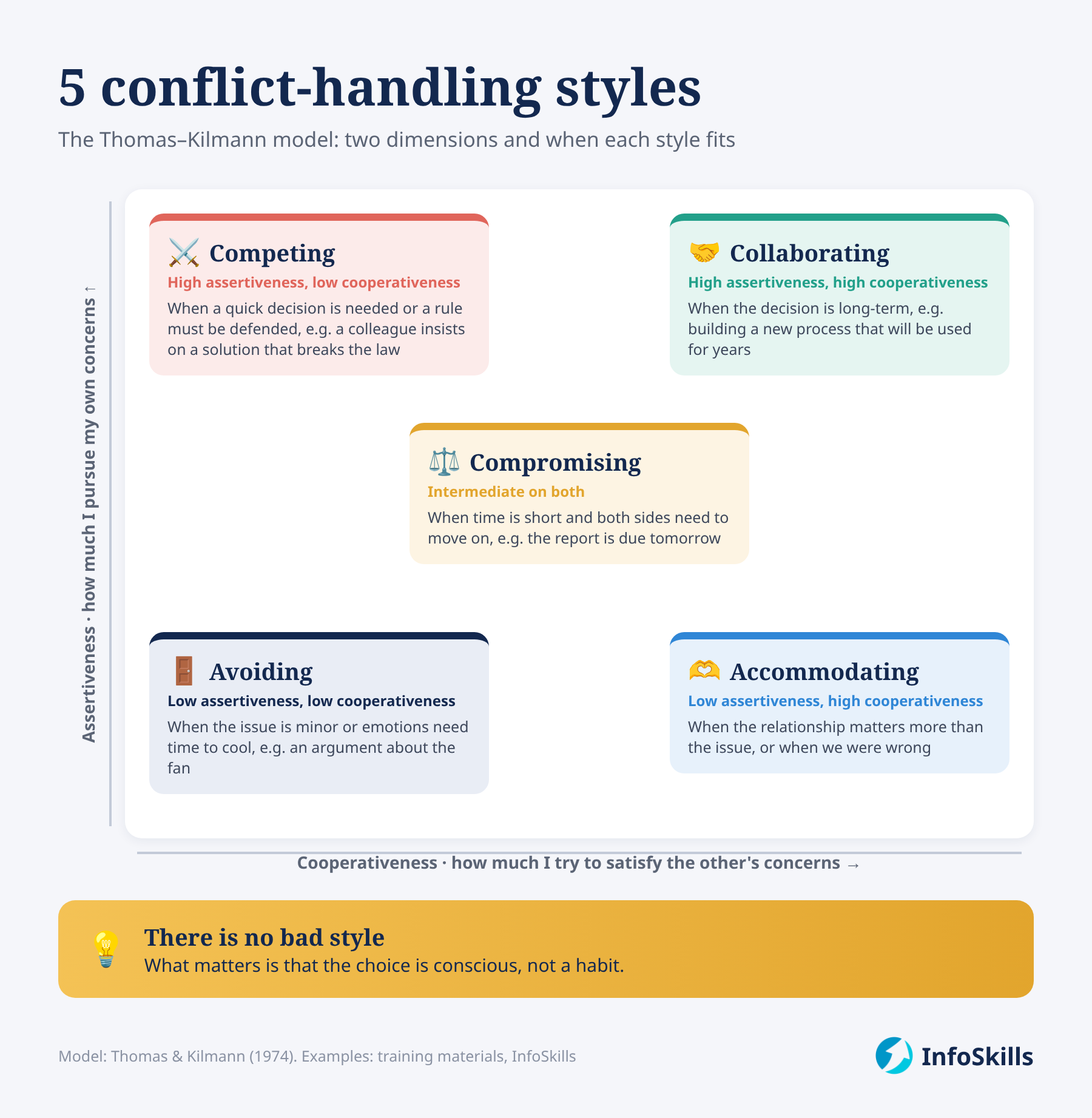
The tables received short situations and raised the card for the most suitable style. In some situations different tables chose different styles, and both could be right. There is no bad style; what matters is that the choice is conscious, not a habit. The module ended with case analysis and a live demonstration of de-escalating a tense conversation in four steps: stop, listen, acknowledge, look for a solution together.
Conflict itself is not the enemy of a team. The enemy is the conflict nobody talks about.
Modules 4–5. Facilitation: from theory to a lab
“The world’s worst meeting”. Facilitation began with reverse brainstorming: participants described in detail how to ruin a meeting (no agenda, the boss talks the whole time, decisions are not recorded). Flip the list, and you have the rules of a good meeting.
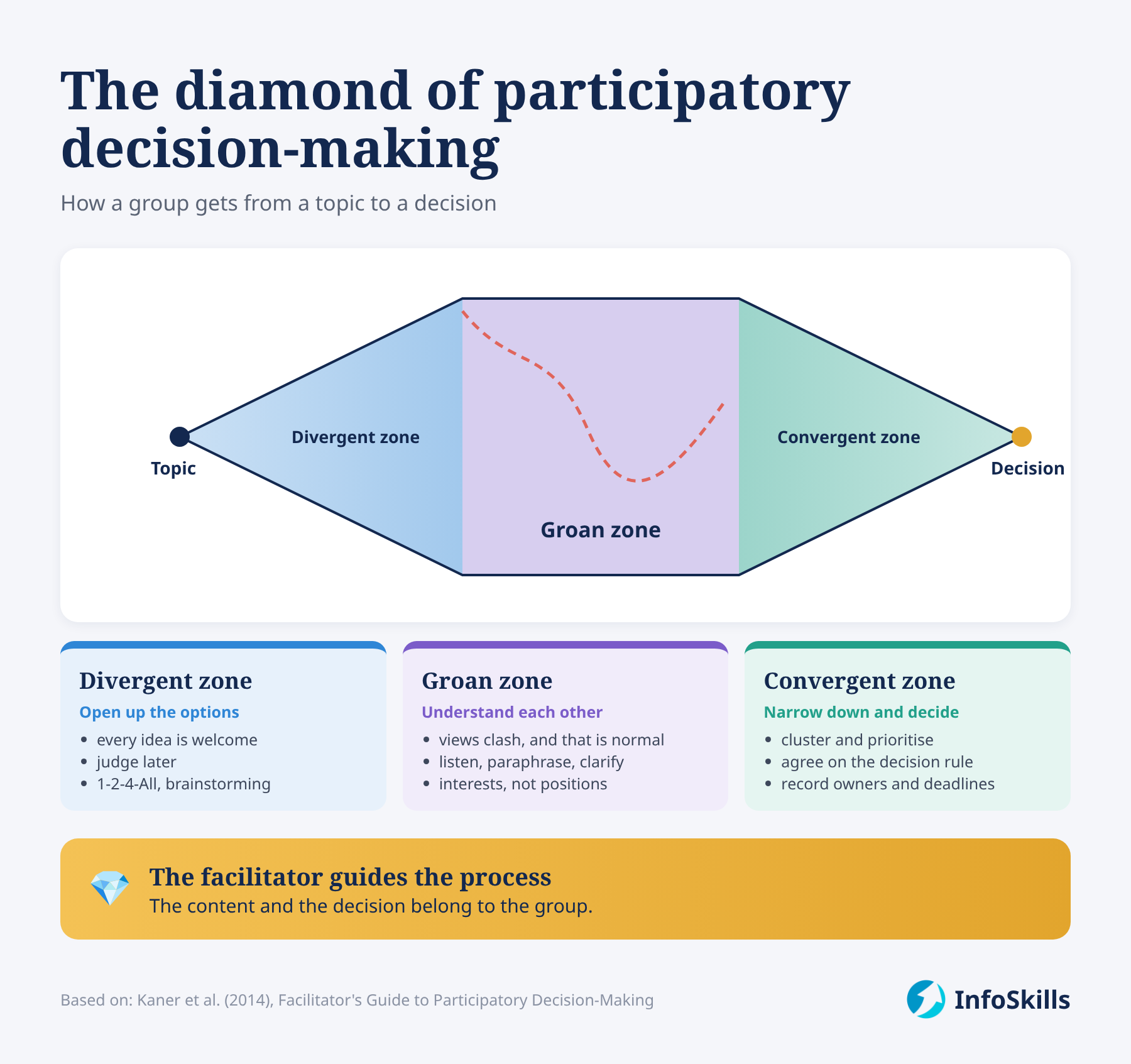
Process and content. A facilitator guides the process of the meeting, while the content and the decision belong to the group [8]. That is why a good facilitator stays neutral on the content, but not on the process.
The diamond of participatory decision-making. In Sam Kaner’s model, a group first opens up options (divergent zone), then passes through the hardest stretch, where different views clash (the groan zone), and only then narrows the options down to a decision (convergent zone) [9]. The groan zone is not a sign of failure but a normal part of thinking together.
Tools that involve everyone. In the “Opening up the kitchen” block, participants tried the 1-2-4-All structure from the Liberating Structures collection: first everyone reflects alone, then in pairs, then in groups of four, and finally the whole group shares the ideas everyone should hear. The whole cycle takes about 15 minutes, and it brings in every voice regardless of group size [10].
The facilitation lab. In the last module, the groups took part in a four-round simulation, with a different participant facilitating each round with the help of their own card. The general discussion was built on the logic of the After Action Review, a format first developed by the U.S. Army: what was planned, what actually happened, why, and what we will do differently next time [11]. The review is about learning, not blame.
The toolkit: everything stays with the participants
Every training material was built on the same logic: 3 topics × 5 areas × 5 principles. A card’s number is the same in the card deck, in the quiz explanations, in the self-assessment recommendations and in the diagrams, so at any moment you can say “see card No. 12” and everyone finds the same thing.
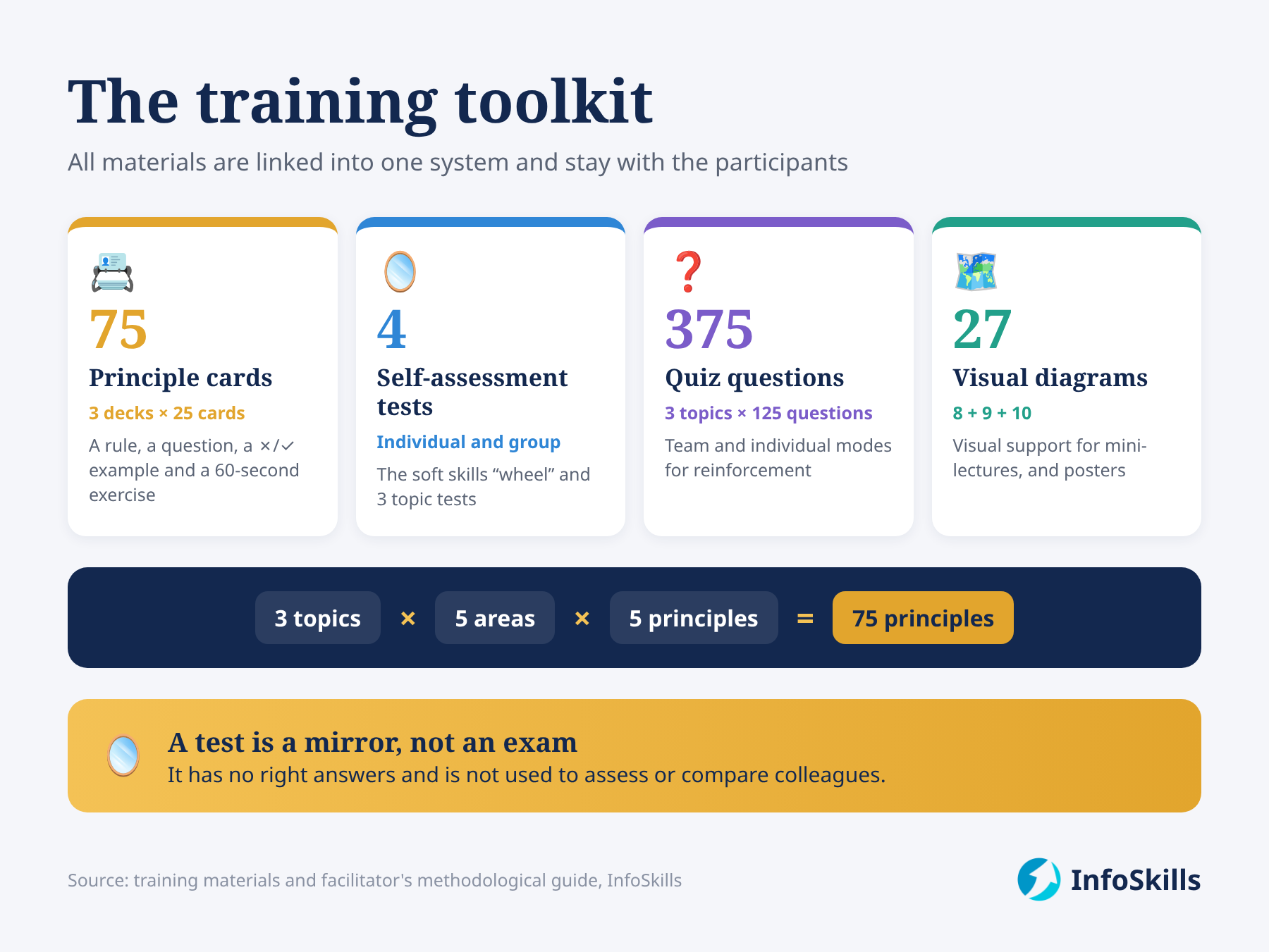
Each card is a “principle you can hold in your hand”: the front gives the rule and a question, the back gives the explanation, the steps, a ✗/✓ example and a 60-second exercise. The cards belong to the participants: you can write on them and take them home.
Questions that lead from “what happened?” to “what will I do?”
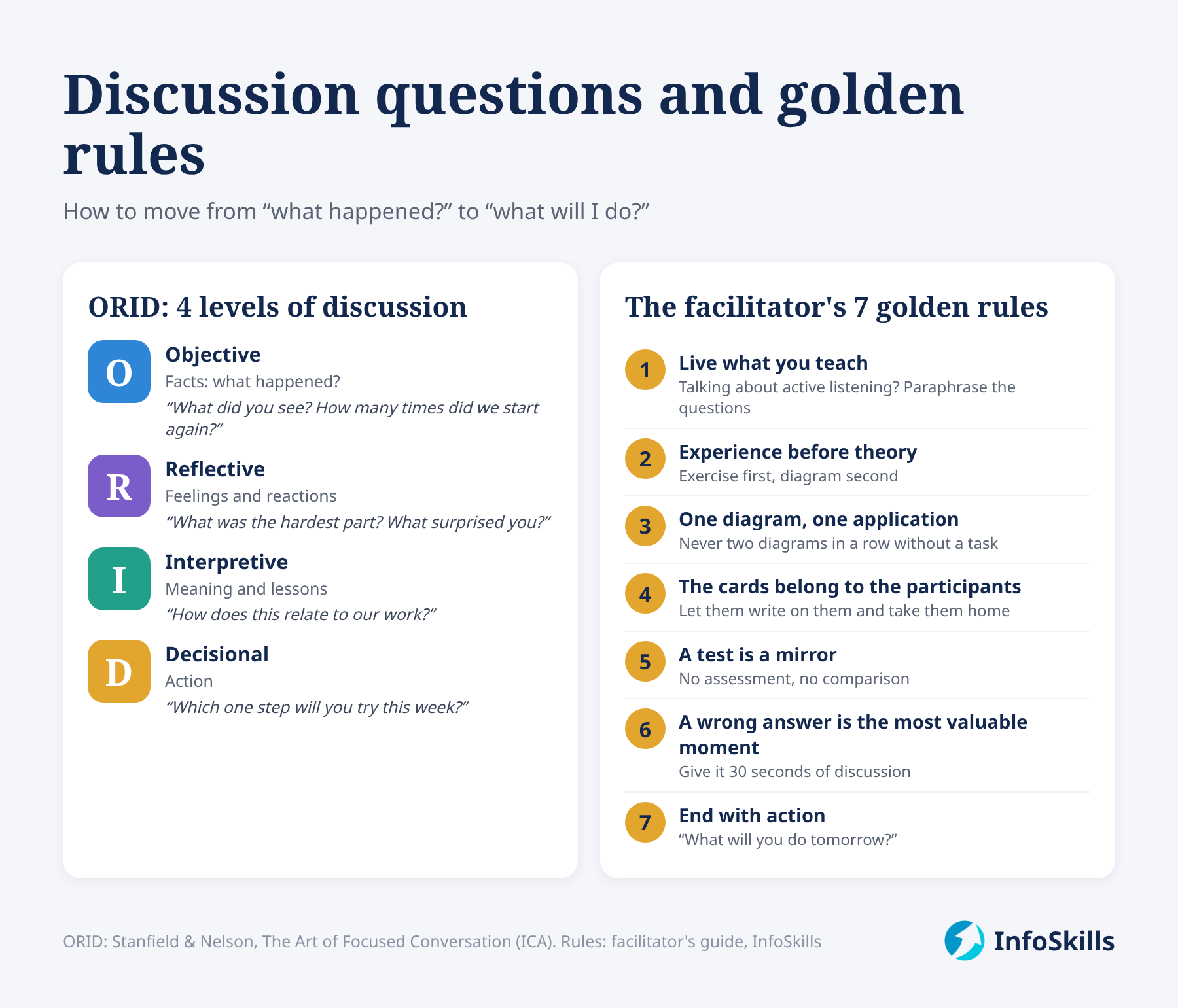
After every exercise, game or test, the discussion was built on the four levels of the ORID method, part of the Technology of Participation developed by the Institute of Cultural Affairs (ICA): Objective (facts), Reflective (feelings), Interpretive (meaning) and Decisional (action) [12]. This sequence stops a group from jumping straight from facts to conclusions.
After the training: from learning to habit
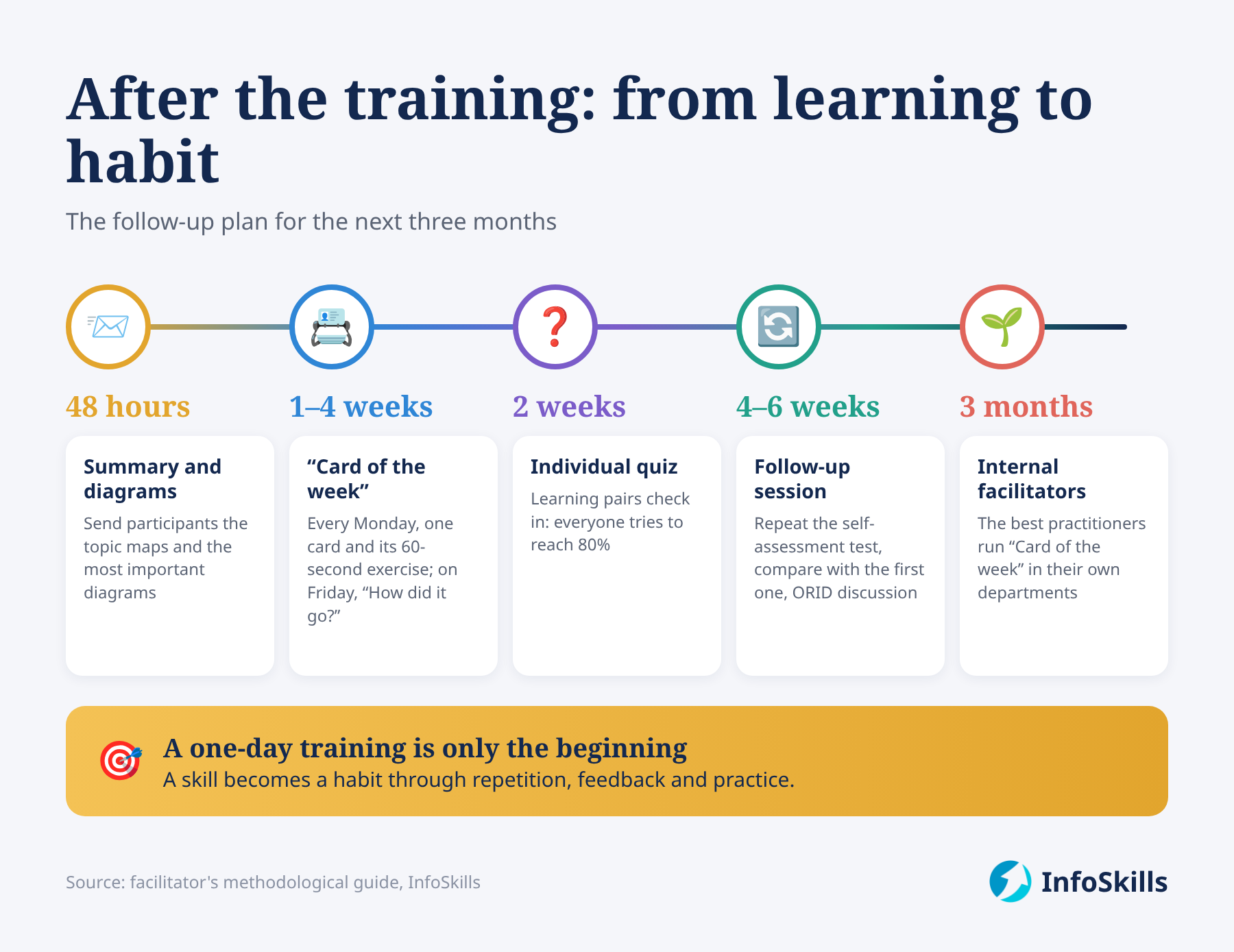
A one-day training is only the beginning. To turn skills into habits, the training plan includes follow-up steps for the next three months.
What the participants said
The participants came expecting new knowledge and skills, and by the end of the day they agreed without hesitation: the training was excellent, engaging, full of new ideas and gave them a real methodological toolkit. Many said they were ready to start using the tools in their work straight away. The interactive games helped make complex topics easier to grasp: when you have lived through a concept yourself, you no longer need to memorise it.
Thank you
Thank you to Armenian Caritas for the partnership and for valuing inclusive education and professional development. Thank you to the specialists of the Shirak TMAK for their openness, energy and readiness to try every tool on themselves during the day. Strength lies in unity, and victory in cooperation.
If you want to bring the same approach to your own team, see the course Facilitation Skills.
#Shirak #TMAK #ArmenianCaritas #InfoSkills #ContinuingEducation #ProfessionalDevelopment #SoftSkills #Facilitation
Sources
- World Economic Forum (2025). The Future of Jobs Report 2025. Chapter 3: Skills outlook. weforum.org
- Center for Creative Leadership. Use Situation-Behavior-Impact (SBI)™ to understand intent. ccl.org
- Tuckman, B. W. (1965). Developmental sequence in small groups. Psychological Bulletin, 63(6), 384–399. doi.org
- Tuckman, B. W., & Jensen, M. A. C. (1977). Stages of small-group development revisited. Group & Organization Studies, 2(4), 419–427. doi.org
- Edmondson, A. (1999). Psychological safety and learning behavior in work teams. Administrative Science Quarterly, 44(2), 350–383. doi.org
- Fisher, R., & Ury, W. (1981). Getting to Yes: Negotiating Agreement Without Giving In. Houghton Mifflin. en.wikipedia.org
- Thomas–Kilmann Conflict Mode Instrument (Thomas, K. W., & Kilmann, R. H., 1974). en.wikipedia.org
- Facilitation (business). Wikipedia. en.wikipedia.org
- Kaner, S., with Lind, L., Toldi, C., Fisk, S., & Berger, D. (2014). Facilitator’s Guide to Participatory Decision-Making (3rd ed.). Jossey-Bass. wiley.com
- Lipmanowicz, H., & McCandless, K. 1-2-4-All. Liberating Structures. liberatingstructures.com
- After-action review. Wikipedia (U.S. Army, TC 25-20). en.wikipedia.org
- Stanfield, R. B., & Nelson, J. (2024). The Art of Focused Conversation (2nd ed.). New Society Publishers. newsociety.ca
Course: Facilitation Skills
© 2026 InfoSkills, Varuzhan Avanesyan. Reuse only with the author's permission and a link to the source.






No comments yet. Be the first.